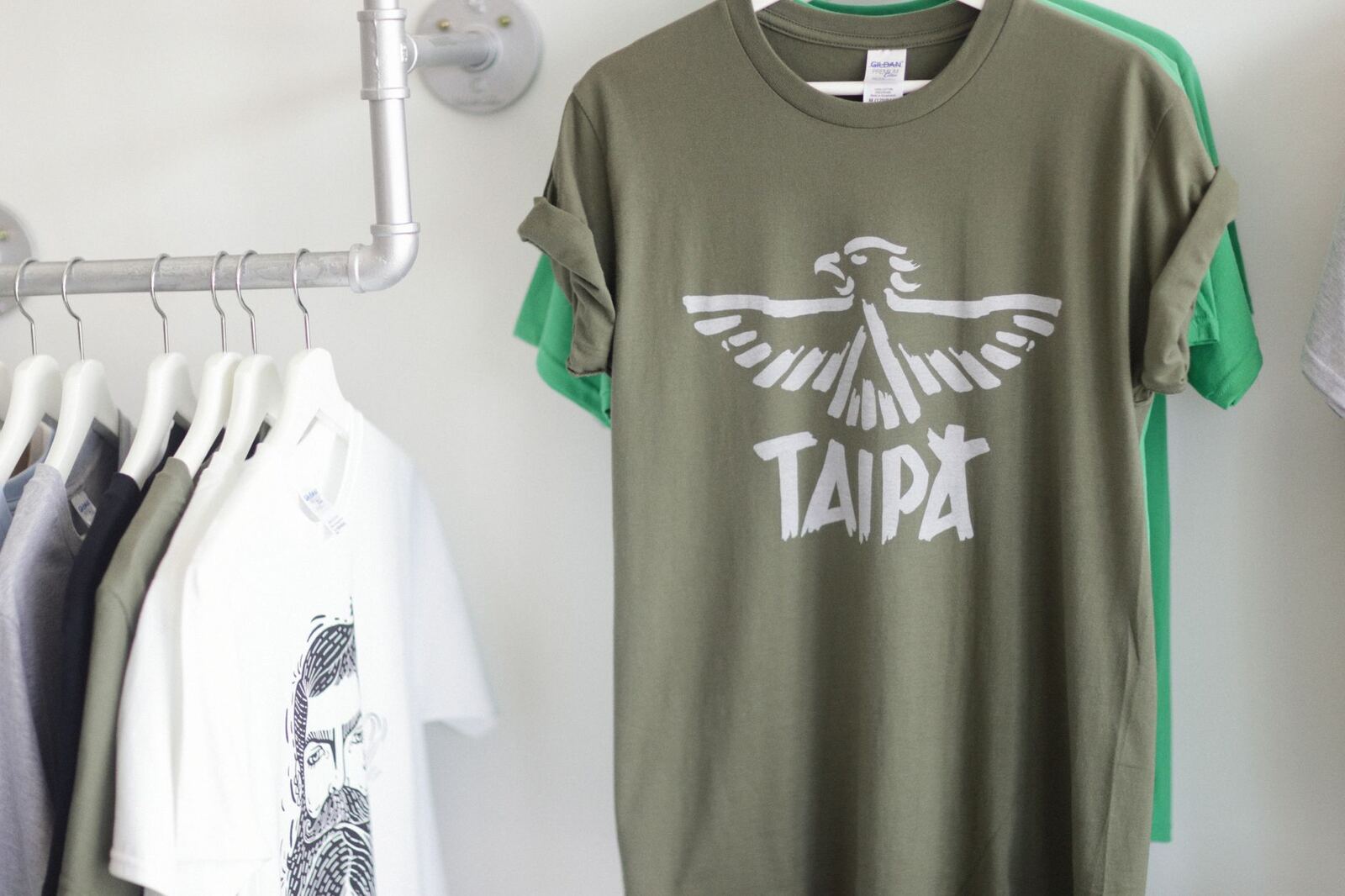
How to price DTG printing per garment
Ink, pretreat, cure time and waste, added up honestly, then compared against screen print to find your crossover point.
Read it →
How to price screen printing (with a worked example)
The full formula, then 100 black tees priced line by line so you can see where the margin actually is.
Read it →
How to price embroidery by stitch count
Stitch count is the only honest basis for embroidery pricing. Here is how to build a per-thousand rate, and what to charge for digitising.
Read it →
DTF gang sheet costing, down to the square centimetre
Transfer work lives or dies on sheet utilisation. Here is how to cost by area, and why per-design pricing quietly loses money.
Read it →
Setting rush fees without losing the customer
A rush fee is not a punishment, it is the price of displacing other work. How to structure one that customers accept.
Read it →
Setting a minimum order quantity that protects margin
An MOQ is a margin tool, not a gate. Why a minimum order value usually beats a minimum quantity, and how to pick the number.
Read it →
Print shop workflow: quote to dispatch in nine stages
The stages every decorated apparel order passes through, what has to be true to leave each one, and where jobs actually get stuck.
Read it →
How to cut artwork approval time from days to hours
Approval is where most orders lose their week. Four changes that move the average from days to hours, in order of effort.
Read it →
Reducing misprints: a QC checklist for apparel decorators
Most reprints trace back to five checks that take under two minutes. The checklist, and where in the run to put each one.
Read it →
Inventory for blanks: par levels without over-ordering
How to decide what to hold, how much, and when to reorder, without turning your stockroom into your bank account.
Read it →
Managing rush season without hiring
What to decide in September so that November runs on rails: capacity, cut-offs, sequencing and the jobs you say no to.
Read it →
Shop floor layout for a two-press operation
Where to put the presses, the dryer, the blanks and the pack bench so a job travels once instead of four times.
Read it →
Getting your first ten wholesale accounts
Who to approach, what to say, and what to have ready before you do. The unglamorous version that actually works.
Read it →
Group-buy and team-store campaigns that actually convert
Run a closed-window campaign instead of holding stock. How to set the window, the minimum, and the follow-up.
Read it →
Quoting to win the job without racing to the bottom
Speed, specificity and structure beat price on most enquiries. What to put in a quote so it does not get compared on one number.
Read it →
Handling a reprint request: script and policy
Decide the policy before it happens, then follow a script. What to say, what to concede, and what to charge.
Read it →
Building recurring revenue from schools and clubs
Seasonal customers become annual revenue when you own the calendar instead of waiting for the phone call.
Read it →
What to do when a customer ghosts an approval
A sequence for the job that has gone quiet, with the dates, the wording, and the point at which you close it.
Read it →
Printing on dark garments: underbase explained
Why colours sink into dark fabric, what a white underbase actually does, and how to price and separate for one.
Read it →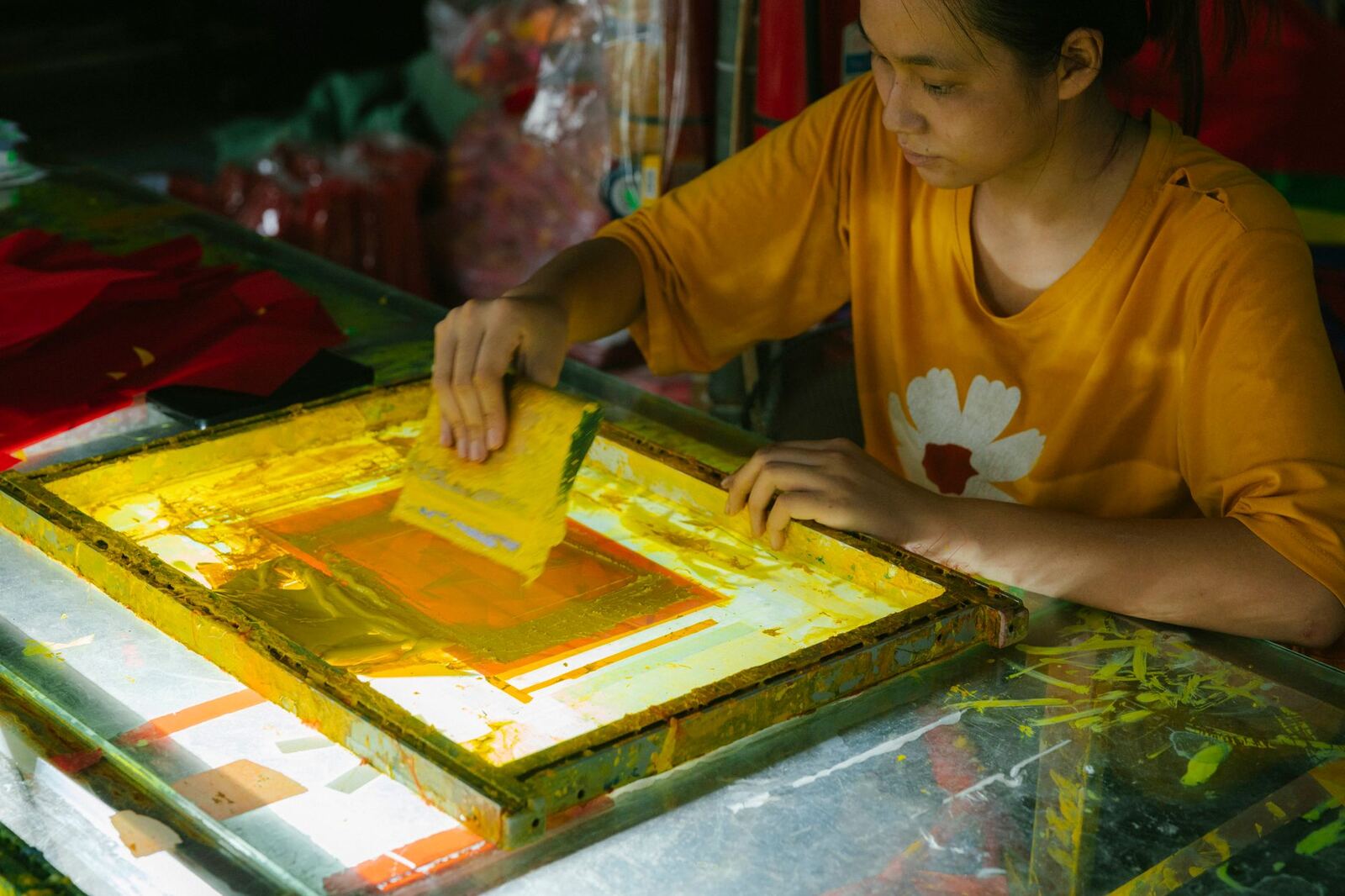
Halftones, LPI and mesh count: a practical pairing table
Which halftone frequency your mesh can actually hold, why highlight dots disappear, and how to test your own combinations.
Read it →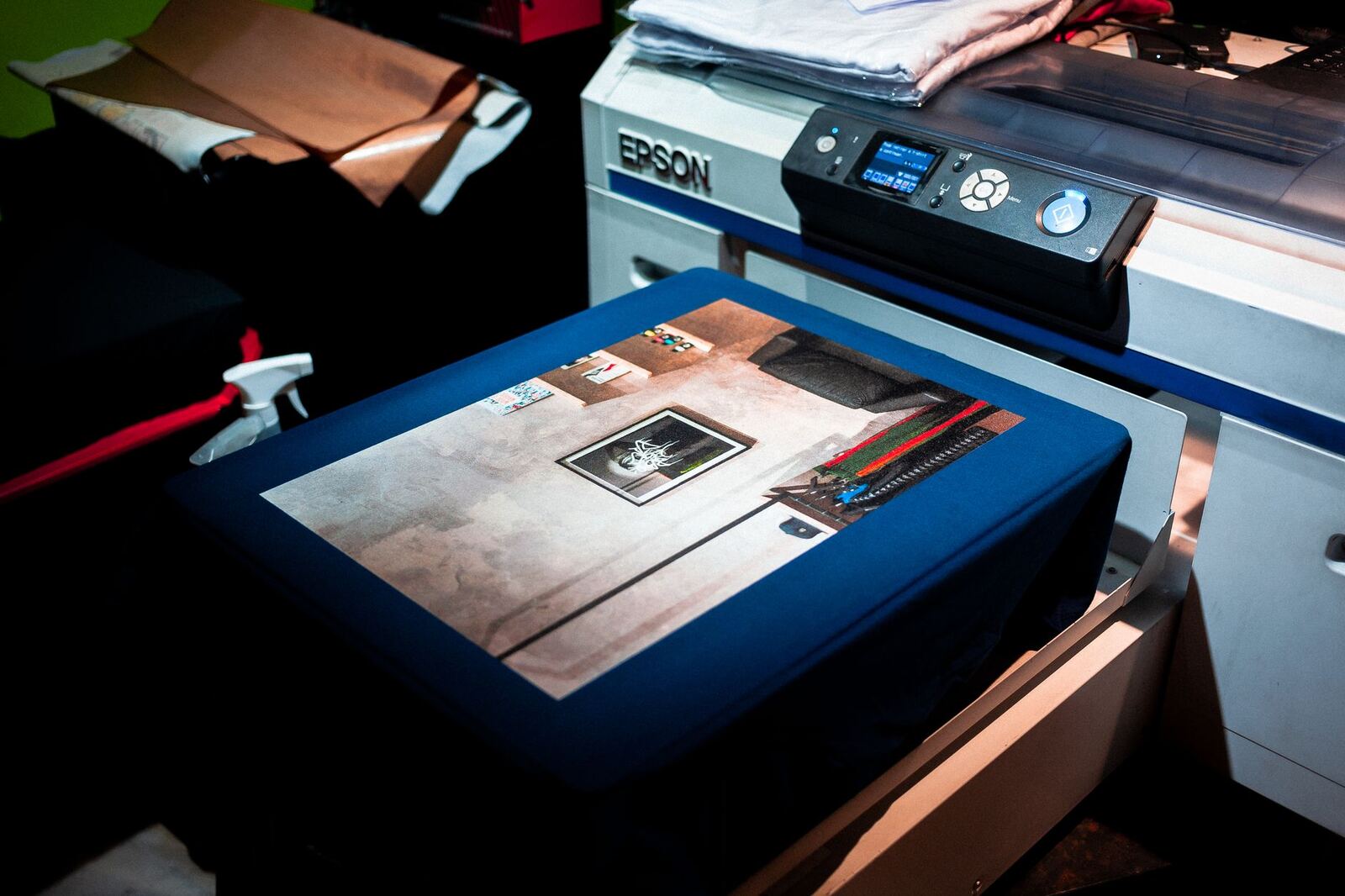
DTG pretreat troubleshooting, eight failure modes
Dull whites, visible boxes, patchy coverage and wash-off, each with its cause and the fix, in order of frequency.
Read it →
Choosing blanks: how to compare garments properly
Weight, yarn, fit and consistency matter more than the brand name. A framework for building a core range, plus regional supplier notes.
Read it →
Embroidery digitising: what to send your digitiser
The information that turns a two-round digitising job into a one-round job, and the details that quietly cost you rejects.
Read it →
Sublimation vs DTF vs DTG: a decision table
Which method suits which job, by fabric, quantity, colour and durability. Plus the jobs where none of the three is the right answer.
Read it →
Print shop software buyer's guide
What to evaluate, in what order, and the questions that separate a demo that looks good from software that survives your busiest week.
Read it →
Spreadsheets vs print shop software: the real cost of staying manual
A spreadsheet is free until you count the re-keying, the chased approvals and the jobs that fall through. Here is how to work out your own number.
Read it →
Switching print shop software without losing order history
What to export, what to migrate, what to leave behind, and how to run the changeover without a gap in the middle of your schedule.
Read it →
Do you need a customer portal?
What a portal removes from your day, when it is not worth it, and why a branded one behaves differently from a vendor-skinned one.
Read it →
Print shop KPIs: the seven numbers to track weekly
The small set of measures that predict a good month, how to calculate each one, and the vanity metrics to ignore.
Read it →
How to benchmark your own pricing (without guessing)
Published industry averages are close to useless for a single shop. Here is how to build a benchmark from your own jobs and read it honestly.
Read it →Looking for how to do something in Printer's Friend? That lives in the guides. Choosing between tools? See the comparisons, or look a term up in the glossary.